What Is the Difference Between Activated Carbon and Ordinary Carbon?
Carbon is found in many forms, but not all carbon materials perform in the same way. The key difference lies in their structure, surface characteristics and ability to interact with other substances.
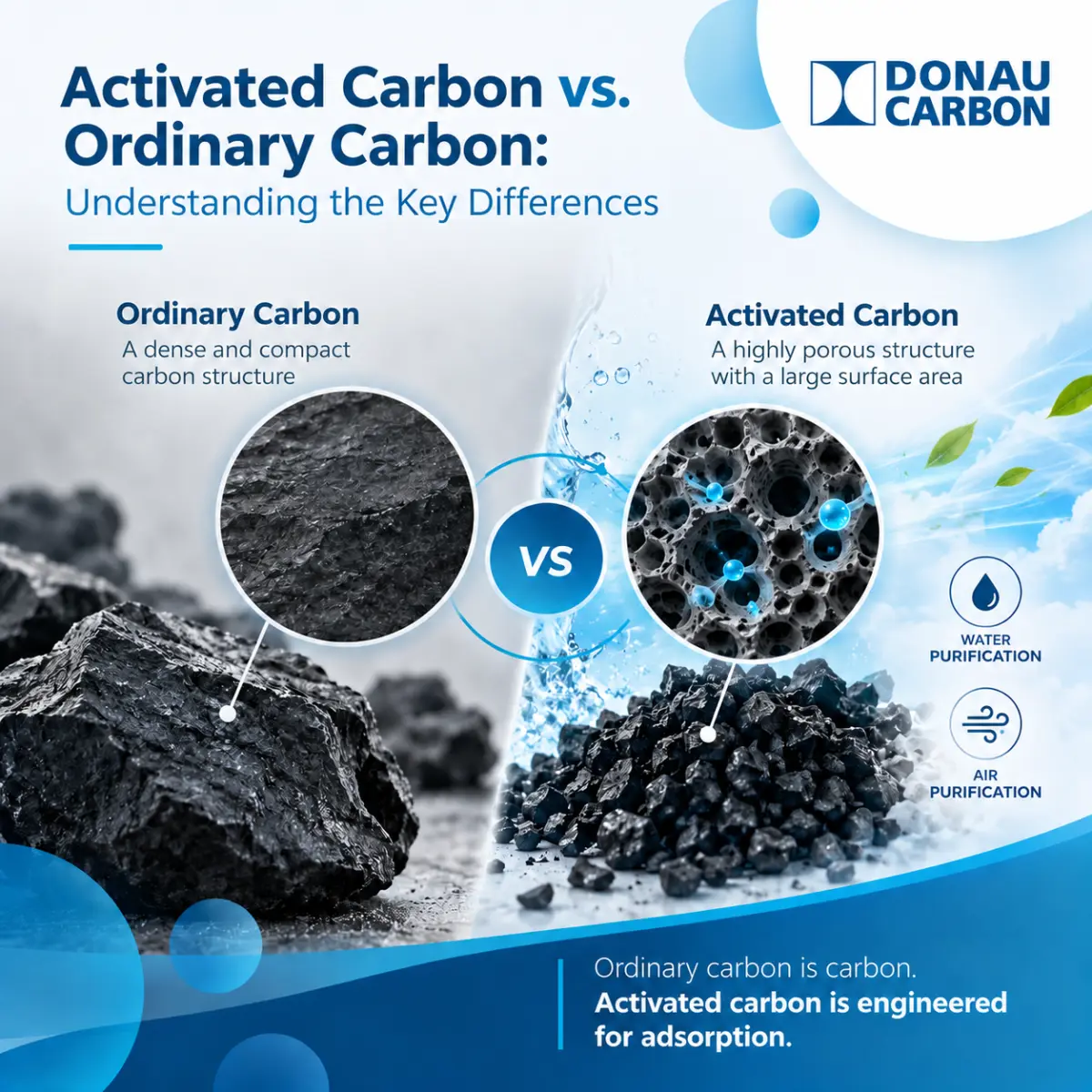
Carbon is a naturally occurring element used in a wide range of applications. Ordinary carbon can refer to carbon-containing materials that have not undergone a specific activation process. Activated carbon, on the other hand, is a specially processed carbon material designed to develop a highly porous structure and a large internal surface area.
This difference is particularly important in purification applications, where activated carbon is used for its adsorption properties. Understanding how activated carbon differs from ordinary carbon helps explain why the two materials should not be considered interchangeable.
Ordinary Carbon
Ordinary carbon describes carbon material without the specially developed porous structure associated with activated carbon.
Activated Carbon
Activated carbon is processed to develop a highly porous structure and extensive internal surface area, giving it strong adsorption characteristics.
It Is All About the Surface
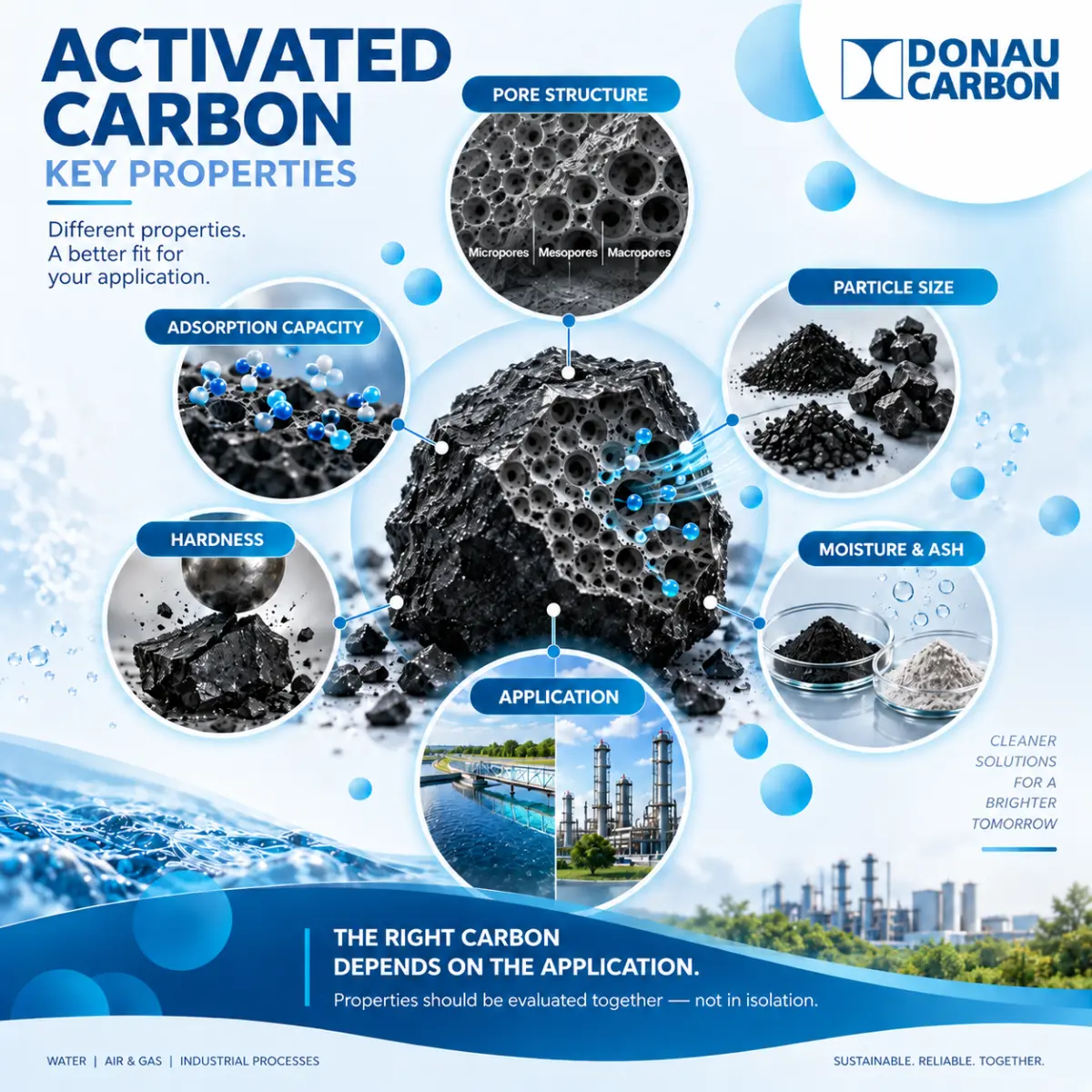
One of the most important differences between ordinary carbon and activated carbon is the internal surface area. Activation creates a network of pores within the carbon material.
Although activated carbon may look like a simple black powder or granule from the outside, its internal structure can contain an extensive network of pores. These pores provide a large surface on which molecules can be adsorbed.
Activated Carbon vs. Ordinary Carbon
| Characteristic | Ordinary Carbon | Activated Carbon |
|---|---|---|
| Structure | Relatively less developed pore structure | Highly developed porous structure |
| Internal Surface Area | Generally lower | Generally much higher |
| Adsorption | Limited compared with activated carbon | Strong adsorption characteristics |
| Processing | May not undergo activation | Undergoes controlled activation |
| Purification Applications | Not typically selected specifically for adsorption | Widely used where adsorption is required |
Activation Develops Porosity
Activation is a controlled process used to develop pores within a carbon material. This porous structure is fundamental to the adsorption characteristics of activated carbon.
Why Activated Carbon Is Used for Purification
Activated carbon works primarily through adsorption. During adsorption, molecules from a gas or liquid can attach to the surface of the carbon.
The highly porous structure of activated carbon provides a much larger accessible surface compared with ordinary carbon materials. This makes activated carbon particularly useful in applications where specific substances need to be removed or reduced through adsorption.
Contact
Water or air comes into contact with activated carbon.
Adsorption
Target molecules interact with the carbon surface.
Purification
The treated medium can achieve the desired purification objective when properly designed and operated.
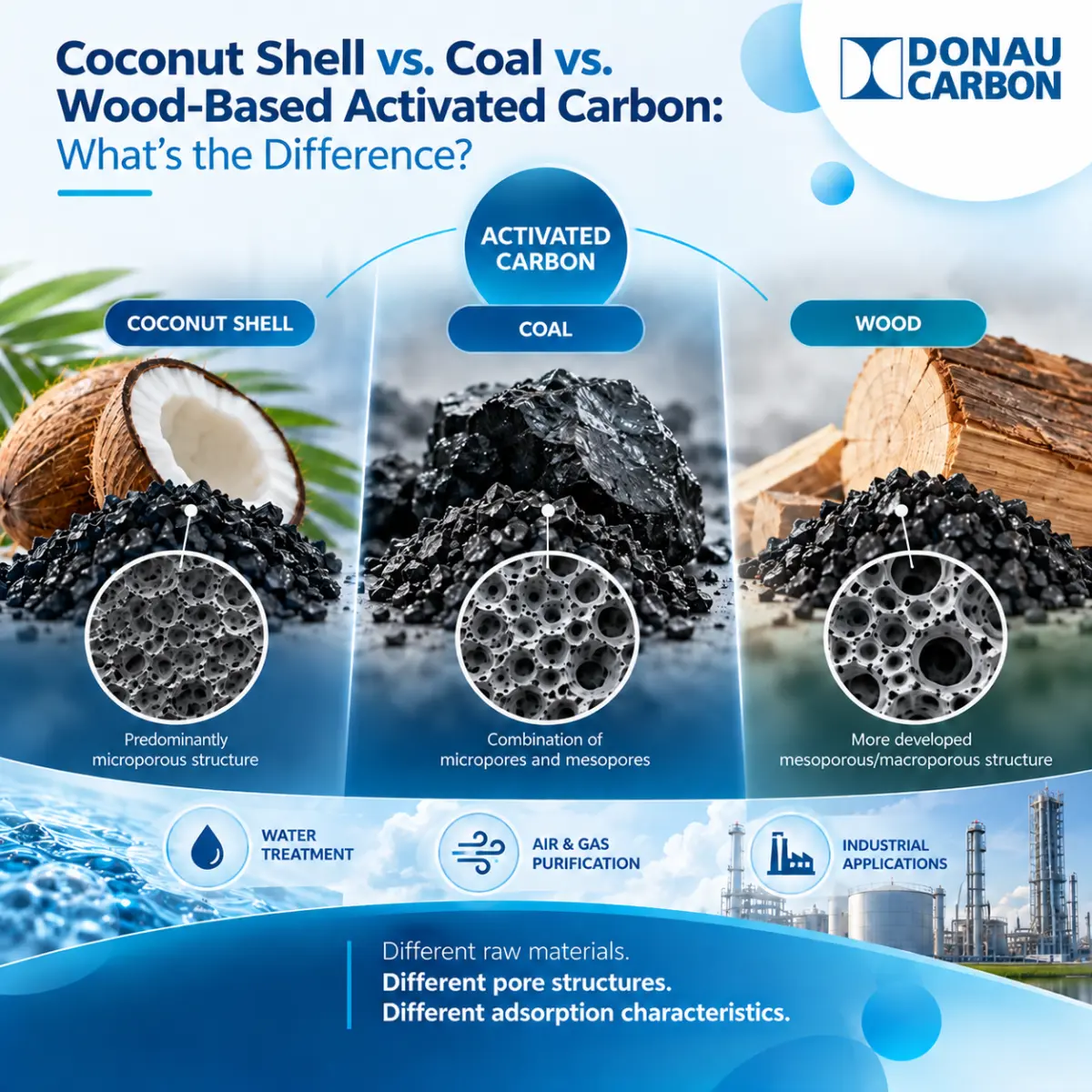
Coconut Shell Activated Carbon
Coconut shells can be used as a raw material for producing activated carbon. Through controlled processing and activation, the carbon material can be developed for applications requiring adsorption.
This creates an interesting connection between a naturally available biomass resource and advanced purification technology.
From Natural Resource to Functional Material
Coconut shell can become much more than a discarded biomass material. With appropriate processing, it can become a valuable carbon-based material for demanding adsorption applications.
Where Activated Carbon Can Make a Difference
Water Treatment
Activated carbon is used in various water treatment processes where adsorption is required.
Air & Gas Treatment
Activated carbon can be used for adsorption-based treatment of air and gas streams.
Industrial Processes
Activated carbon is selected for a range of industrial purification and separation applications.
Ordinary Carbon and Activated Carbon Are Not the Same
The major difference is not simply that both materials contain carbon. Activated carbon is specifically processed to develop a porous structure and a large internal surface area, giving it its characteristic adsorption properties.
That difference in structure is what makes activated carbon an important material for adsorption-based purification applications across water, air, gas and industrial processes.
Understanding the material is the first step toward selecting the right carbon for the right application.
Looking for the Right Activated Carbon?
Donau Carbon India provides activated carbon solutions for different purification and industrial applications.
Contact Donau Carbon Indi