Which Activated Carbon Properties Matter Most When Selecting a Product?
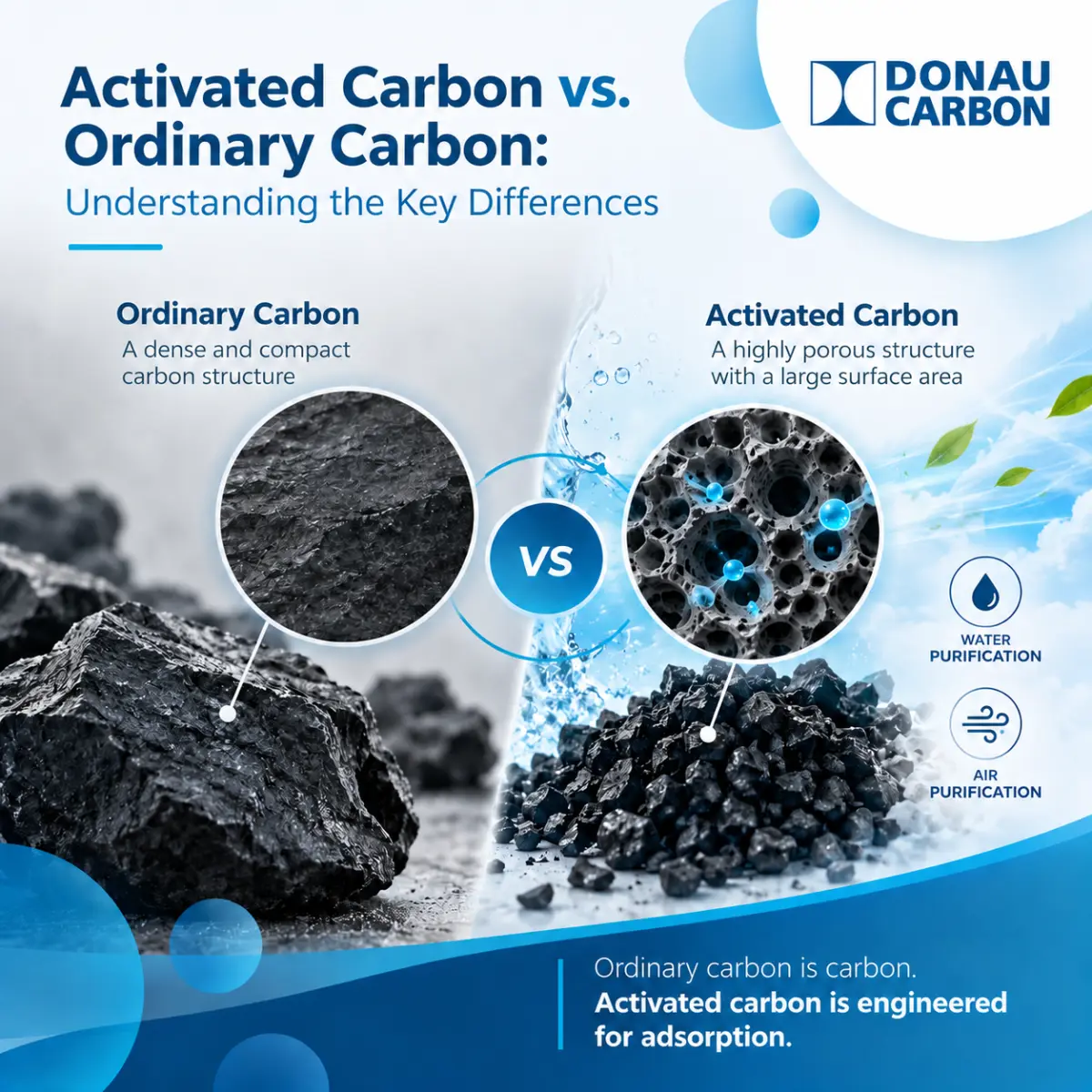
Selecting activated carbon is not simply about choosing a material with a high adsorption capacity. The right product depends on a combination of pore structure, physical properties, adsorption behaviour and the requirements of the application.
Activated carbon is used in a wide range of purification and separation processes. However, different applications can require different carbon characteristics. A grade that is suitable for one process may not necessarily provide the same results in another.
This is why activated carbon selection should consider the complete operating environment rather than focusing on a single specification.
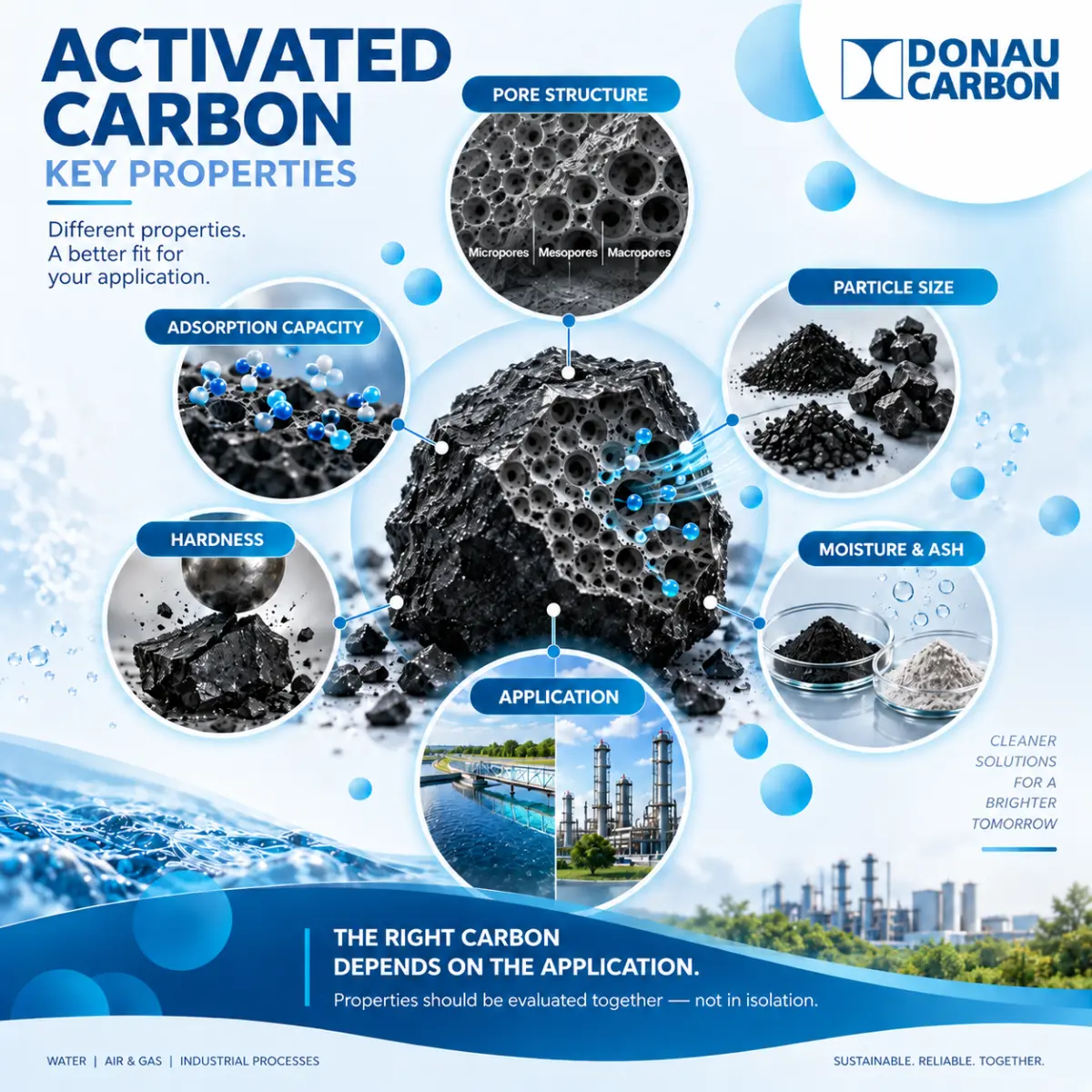
Some of the most important considerations include adsorption capacity, pore structure, particle size, mechanical properties, moisture, ash and application-specific process parameters.
Pore Structure
The pore structure of activated carbon plays an important role in determining how molecules can access the internal surface of the carbon.
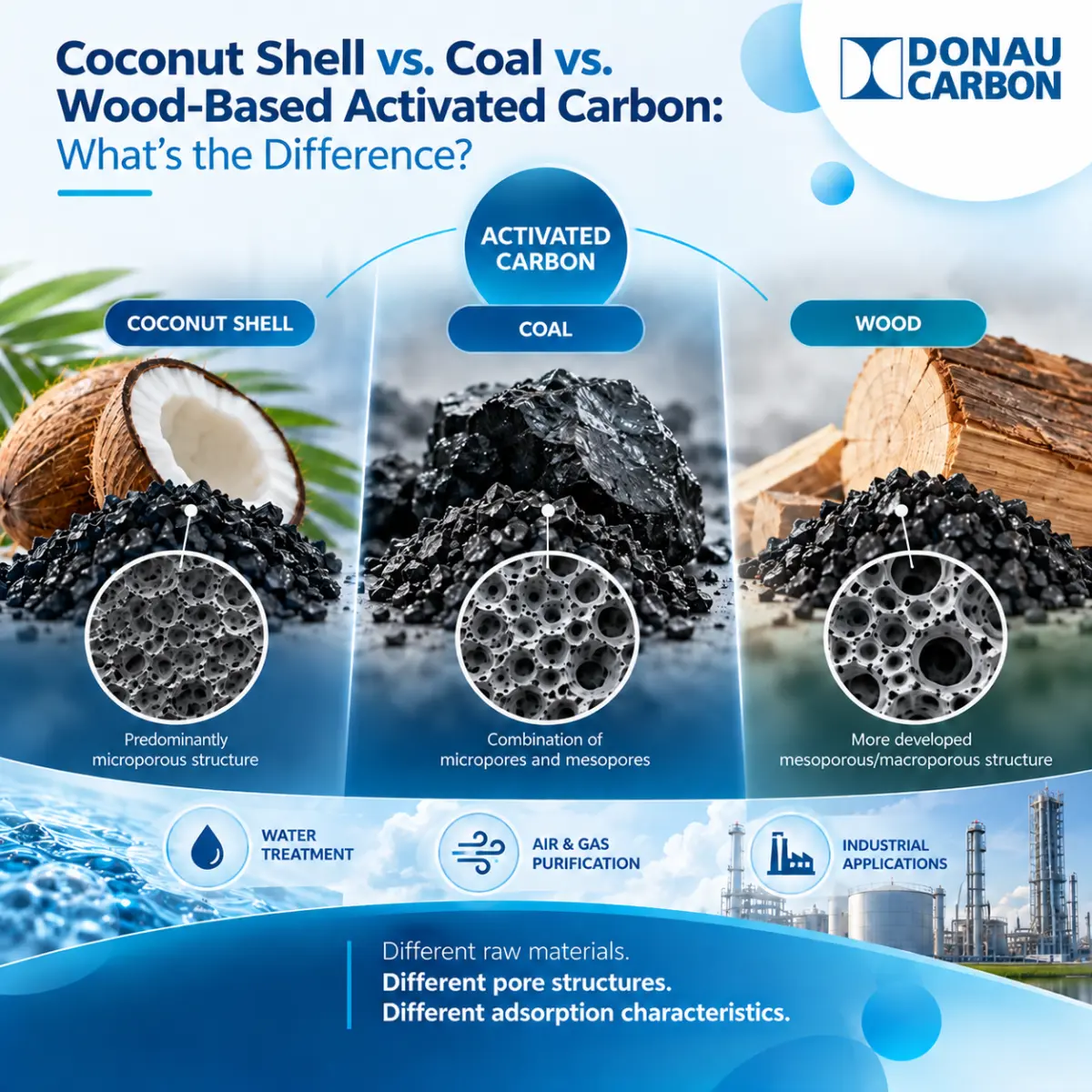
Micropores, mesopores and larger pores can contribute differently to adsorption and molecular transport.
Adsorption Capacity
Adsorption capacity describes the ability of activated carbon to retain a particular substance on its internal surface.
The relevant capacity depends on the adsorbate, concentration, operating conditions and carbon grade.
Particle Size
Particle size affects the contact behaviour of activated carbon and can influence adsorption kinetics and pressure drop in certain systems.
Selection should therefore consider the process design, contact time and filtration requirements.
Hardness
Mechanical strength is particularly relevant where activated carbon is handled repeatedly or used in fixed-bed systems.
Adequate hardness can help reduce attrition and the generation of unwanted fines during handling and operation.
Moisture & Ash
Moisture and ash are important physical and compositional characteristics that should be considered alongside the intended application.
Product specifications should be evaluated according to the requirements of the individual process.
Application Fit
Ultimately, the most important question is whether the selected carbon matches the application and its operating conditions.
Target substances, process parameters, contact time and filter design all influence product selection.
Why One Property Is Rarely Enough
Activated carbon performance results from the interaction between the carbon's characteristics and the substance being adsorbed.
For example, pore structure influences accessibility to the internal surface, while adsorption kinetics relates to how quickly adsorption can occur under particular operating conditions.
Consequently, activated carbon should be selected by considering several properties together and relating them to the actual process conditions.
Key Properties at a Glance
| Property | Why It Matters | Selection Consideration |
|---|---|---|
| Pore Structure | Determines accessibility to the internal carbon surface. | Match pore characteristics with the target substances. |
| Adsorption Capacity | Indicates adsorption behaviour toward a specific substance under defined conditions. | Evaluate using relevant application testing rather than one universal value. |
| Particle Size | Influences mass transfer, contact behaviour and pressure drop. | Consider filter configuration and required contact conditions. |
| Hardness | Important for mechanical stability and resistance to attrition. | Particularly relevant to handling and fixed-bed applications. |
| Moisture & Ash | Important physical and compositional product characteristics. | Compare against the requirements of the process and product specification. |
| Process Conditions | Operating conditions can influence adsorption behaviour and service life. | Consider flow, contact time, concentration, temperature and filter design where relevant. |
Selection Should Start With the Application
A technically appropriate activated carbon selection starts with understanding the actual process and adsorption objective.
Donau Carbon's technical approach includes examinations of adsorbents, R&D and test series, adsorption equilibria, adsorption kinetics, water purification, decolorization, application- and process-related parameters and separation trials.
This application-oriented approach helps connect product characteristics with real process requirements.
Water Treatment
Activated carbon selection can consider target substances, water characteristics, contact conditions and filter design.
Air & Gas Purification
Gas-phase applications require consideration of the target compounds and relevant operating conditions.
Industrial Processes
Process-specific requirements can determine the appropriate activated carbon characteristics and configuration.
The Best Activated Carbon Is the One That Fits the Process
There is no single activated carbon property that determines suitability for every application. Pore structure, adsorption characteristics, particle size, mechanical properties and other product specifications should be evaluated together with the target substance and operating conditions.
Looking for the Right Activated Carbon Grade?
Product selection is application-specific. Discuss your process requirements with our team to identify the relevant activated carbon characteristics for your application.
Contact Our Team